Few countries are as densely dotted with castles as Slovenia: around 920 castle fortifications have been recorded on its territory, and roughly 90 castles still stand today. For a first visit, the best choices are Ljubljana, Bled, Predjama, Celje and Ptuj castles, all open to visitors and easy to reach on a day trip from anywhere in the country.
How many castles are there in Slovenia?
According to the Slovenian Tourist Board, 920 castle fortifications have been recorded in present-day Slovenia, mostly built between the 10th and 19th centuries. Many have collapsed or survive only as ruins, while around 90 castles are preserved.
Castles rose at strategic points: on hills above river valleys, along trade routes and on the borders of feudal estates. They were built by noble families and church princes such as the bishops of Freising and the patriarchs of Aquileia. Every castle is therefore both an architectural monument and a story of who once ruled the land below it.
Slovenian distinguishes between a grad, a fortified castle usually on a hilltop, and a dvorec, a more comfortable manor house without a defensive role, often set in a park. Many buildings changed from one to the other over the centuries, so medieval walls often hide behind Renaissance or Baroque facades.
The most famous castles in Slovenia
Ljubljana Castle
The castle above the capital is the most visited in the country. From its viewing tower, 400 metres above sea level, you can see roughly a third of Slovenia on a clear day. A funicular takes you up in about a minute, climbing almost 70 metres, or you can walk up one of the paths on Castle Hill. Inside are an exhibition on Slovenian history, the Puppet Museum and St George’s Chapel.
Bled Castle
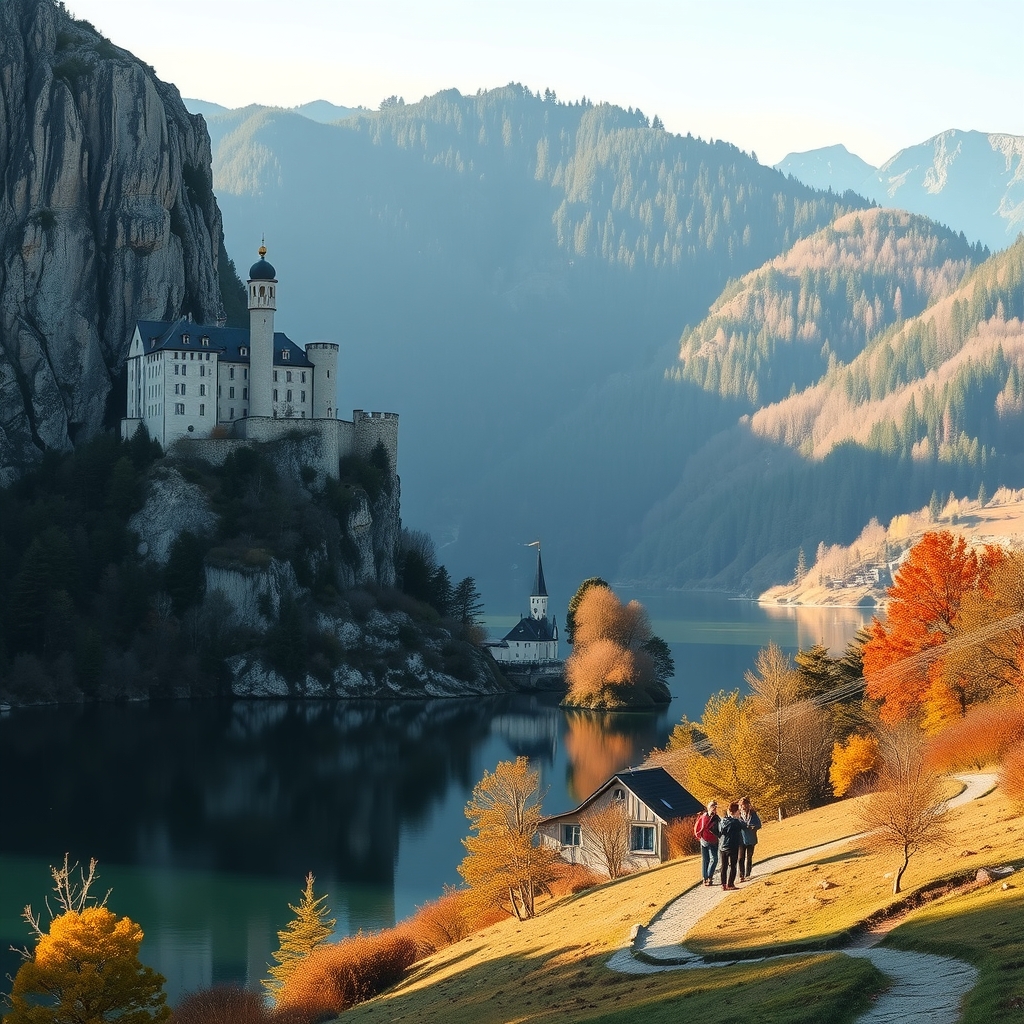
Perched on a steep cliff above Lake Bled, the castle was first mentioned in written records in 1011. The Romanesque walls and entrance tower survive from that period, while the Renaissance and Baroque buildings house a forge, a printing workshop, a Knights’ Hall and a chapel. The view of the lake and its island is one of the best-known images of Slovenia.
Predjama Castle
About 10 kilometres from Postojna, this castle is built into a sheer rock face beneath a natural arch. It holds the Guinness World Record as the largest cave castle in the world. First mentioned in 1274, it gained its present Renaissance look in 1570. Its most famous resident was the knight Erasmus of Predjama (Erazem Predjamski), who, legend says, kept himself supplied through a secret passage in the karst cave during a siege lasting more than a year. Every summer, usually in July, the castle hosts the Erasmus Knights’ Tournament.
Old Castle Celje and Ptuj Castle
The 12th-century Old Castle above Celje was the seat of the Counts of Celje, the most powerful noble family on Slovenian soil. In summer it hosts open-air concerts and theatre. Ptuj Castle rises above one of Slovenia’s oldest towns, on the site of a Roman sanctuary; its 17th-century rooms with rich stucco work hold the collections of the Ptuj–Ormož Regional Museum.
Castles by region at a glance
If you are planning a trip region by region, this overview lists castles that are open to visitors or used as museums, hotels or event venues.

| Castle | Region | Why visit |
|---|---|---|
| Ljubljana Castle | Central Slovenia | viewing tower, funicular, museums |
| Bled Castle | Gorenjska | lake views, printing workshop, forge |
| Predjama Castle | Notranjska | castle in a cave, knights’ tournament |
| Snežnik Castle | Notranjska | original 19th-century furnishings |
| Štanjel Castle | Karst | Ferrari Garden by Max Fabiani |
| Bogenšperk Castle | Litija | legacy of Valvasor |
| Otočec Castle | Dolenjska | Slovenia’s only water castle, on a Krka island |
| Rajhenburg Castle | Posavje | Trappist history, chocolate workshop |
| Old Castle Celje | Savinjska | seat of the Counts of Celje |
| Ptuj Castle | Štajerska | Baroque rooms, museum collections |
| Grad Castle, Goričko | Prekmurje | largest castle complex in Slovenia |
Lesser-known castles with remarkable stories
Snežnik Castle in the Loška dolina valley dates back at least to the 13th century, with interiors from the 19th century. It is one of the few castles with its original furnishings intact, so a visit feels as if the owners have just stepped out for a walk in the surrounding forest.
Bogenšperk Castle, built in the early 16th century, was home to the polymath Janez Vajkard Valvasor, a Fellow of the Royal Society in London, who worked here in the second half of the 17th century. Rajhenburg Castle in Brestanica dates from the 12th century; Trappist monks once made cheese, sparkling wine, chocolate and liqueur there, and today visitors can make their own chocolate.
Velenje Castle keeps the remains of a mastodon in its former stable, and Gewerkenegg Castle above Idrija is part of the UNESCO-listed mercury heritage. Brdo Castle near Kranj is the Slovenian state’s protocol venue and a former residence of the Karađorđević royal family and of Josip Broz Tito.
Day trip ideas: castles for every occasion
- Sunday family outing: combine Predjama Castle with Postojna Cave, or Ljubljana Castle with a stroll through the old town. Children love the dungeons, the Puppet Museum and the legend of Erasmus.
- Romantic trip: Otočec Castle on its island in the Krka, Bled Castle at sunset or the stone lanes of Štanjel. You can also stay the night at Otočec, Podsreda or Grad in Goričko.
- Weekend trip: Posavje and Kozjansko make a compact castle route. Rajhenburg, Sevnica, Brežice and Podsreda are close enough to visit in two unhurried days, and Sevnica Castle is surrounded by Blaufränkisch vineyards.
- Rainy day: castles with rich interiors, such as Snežnik, Ptuj and Bogenšperk, are enjoyable in any weather.
Practical tips for visiting
- Check opening hours and ticket prices on each castle’s official website, as summer and winter schedules often differ.
- Wear sturdy shoes for ruins and hilltop castles, since many involve a short climb on foot.
- Exploring the cave beneath Predjama Castle and the narrow Erasmus Passage requires a reasonable level of fitness.
- The interior of Brdo Castle is open only during European Heritage Days, while the surrounding estate is open all year.
- Book guided and group tours in advance, especially in summer and on public holidays.
Descriptions of many more castles and manors are available on the website of the Slovenian Tourist Board (in Slovenian).
Frequently asked questions
How many castles are there in Slovenia?
Around 920 castle fortifications have been recorded in Slovenia, most of them built between the 10th and 19th centuries. About 90 castles survive today; the rest have collapsed or remain only as ruins.
What is the oldest castle in Slovenia?
Bled Castle was first mentioned in written records in 1011 and is considered one of the oldest castles in Slovenia. Its Romanesque walls and entrance tower date from that early period.
Which Slovenian castle is built into a cave?
Predjama Castle near Postojna is set into a cliff above a karst cave. It holds the Guinness World Record as the largest cave castle in the world.
Can you stay overnight in a castle in Slovenia?
Yes. Otočec Castle, Podsreda Castle, Grad Castle in Goričko and Strmol Castle all offer accommodation, which makes them a popular choice for a romantic getaway.
Which castle is best for families with children?
Ljubljana Castle with its funicular and Puppet Museum, Predjama Castle with the legend of knight Erasmus and its summer tournament, and Rajhenburg Castle, where children can make their own chocolate.